
Interactive LED screens merge high-density LED matrices with touch sensors, cameras, and edge processors to enable real-time, participatory experiences at events and exhibitions. They translate multi-touch and proximity inputs into instant UI responses while edge rendering and synchronized playback preserve low latency. Key specs—pixel pitch, brightness, color gamut, and refresh rate—dictate viewing distance LED video wall, clarity, and motion fidelity. Planning must cover power redundancy, networking, mounting, and content rights. Continue for practical deployment tips and common pitfalls.
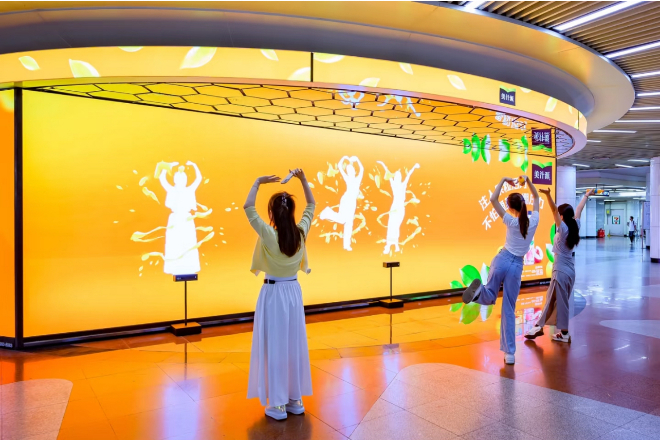
How Interactive LED Screens Work and Key Features
In modern event environments, interactive LED screens combine high-resolution LED matrices with touch sensors, cameras, and embedded processors to deliver real-time, participatory experiences. The architecture layers sensor integration and signal processing to translate Touch Gestures into UI actions, supporting Multi Touch inputs for simultaneous users digital LED sign board. Edge processors handle real time rendering and coordinate Content Mapping so visuals adapt to physical layout and stage cues. Cameras and proximity sensors enable lightweight User Tracking for personalized interactions without invasive data collection. Connectivity modules stream assets and telemetry, while modular panels allow flexible scale and quick deployment. The result is a responsive surface that prioritizes intuitive control, creative freedom, and reliable performance for exhibitions, activations, and dynamic brand experiences.
When to Choose Interactive LED for Events
Having outlined how interactive LED systems capture input and render responsive visuals, the next consideration is when their capabilities align with event goals and constraints. Decision-makers should prioritize interactive LED when objectives emphasize high Audience engagement—trade shows, product launches, and experiential activations benefit most from touch, motion, or mobile-driven interactions that extend dwell time and data capture. Equally important are Budget considerations: interactive setups suit events with flexible budgets that can absorb hardware, software, and integration costs; modular rentals can lower entry barriers. They are less appropriate for strictly informational sessions, small budgets, or venues with limited power or space. Ultimately, the choice favors events seeking memorable, participatory experiences and organizers willing to allocate resources for design, UX, and technical support.
Technical Specs: Pixel Pitch, Brightness, and Resolution
Why do pixel pitch, brightness, and resolution matter for interactive LED installations? The technical balance determines perceived image quality and user experience. Pixel pitch defines pixel density and directly ties to optimal viewing distance; tighter pitch suits close-interaction booths, wider pitch fits large halls. Brightness must match ambient conditions to preserve contrast without washing colors; assess color gamut alongside luminance to guarantee accurate branding and immersive visuals. Resolution controls detail and scalability of content assets. Refresh rate impacts motion clarity and responsiveness for touch or gesture-driven interfaces, reducing judder and latency. Selecting components requires matching specs to event goals: high pixel density and wide color gamut for premium exhibits, higher brightness and robust refresh rates for dynamic, high-traffic environments that prioritize freedom of expression.
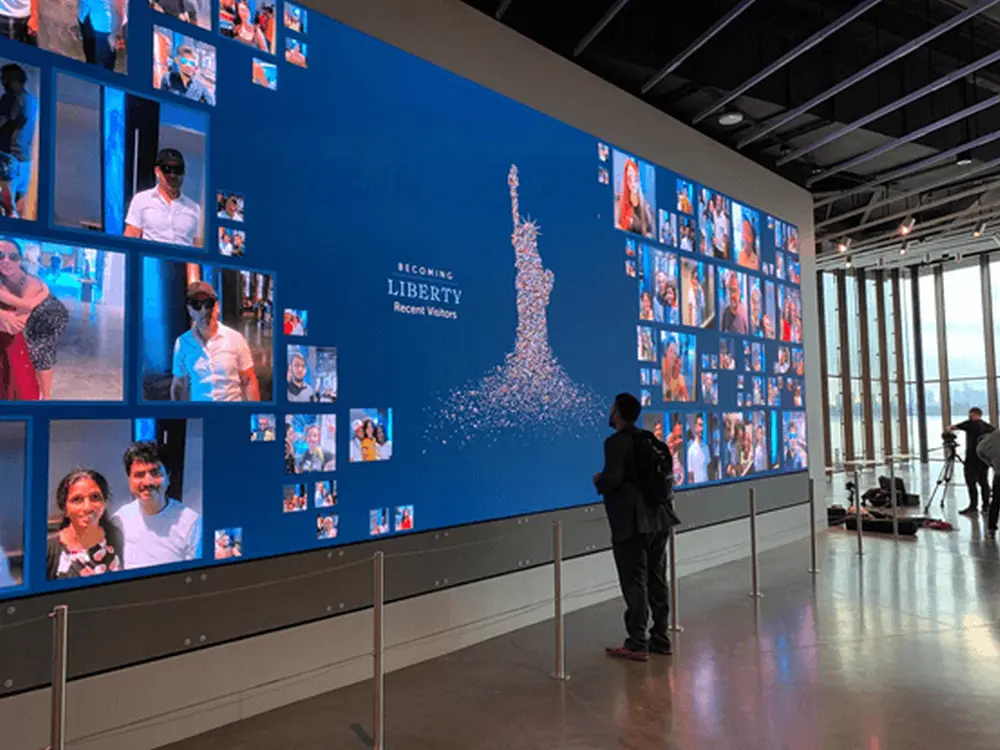
Planning Deployment: Infrastructure, Networking, and Playback
Pixel pitch, brightness, and resolution set the visual baseline, but deployment planning turns those specs into a reliable, interactive experience by addressing power, mounting, network architecture, and media playback workflows. The planner evaluates site power management, redundant feeds, and surge protection while integrating environmental protection measures for outdoor or variable venues. Networking focuses on deterministic latency, VLAN segmentation for control traffic, and Wi‑Fi offload where freedom of placement matters. Playback pipelines prioritize synchronized servers, buffer strategies, and codec choices that support real‑time interaction.
- Power: redundant feeds, UPS, load balancing.
- Mounting: structural safety, modular access.
- Network: QoS, segmentation, latency guarantees.
- Playback: sync servers, codecs, failover strategies.
Deployment aligns tech with operator autonomy.
Common Pitfalls and Best Practices
Drawing on deployment experience and failure modes, this section highlights common pitfalls that compromise interactivity, uptime, and image fidelity, then prescribes pragmatic best practices to mitigate them. Teams often underestimate cable management complexity — loose runs, unlabeled connectors, and insufficient strain relief create intermittent failures and slow restores. Enforce structured routing, labeling, and spare-port access to preserve uptime. Overlooking content licensing leads to last-minute removals or pixelated proxies; confirm rights and resolution budgets early. Neglecting power redundancy, cooling, and ground isolation invites downtime and image distortion; design N+1 feeds and monitored environmental controls. Interactive software is vulnerable to latency spikes and version drift; lock releases, test in representative networks, and allow rollback. Prioritize modular spares, clear SOPs, and rehearsed recovery to enable autonomous, freedom-minded operations.
Frequently Asked Questions
Can Interactive LED Screens Be Used Outdoors in Extreme Weather Conditions?
Yes. He explains that interactive LED screens can operate outdoors in extreme weather when equipped with weatherproof housing, integrated heater systems, robust sealing and ventilation, and configurable brightness — enabling reliable, freedom-focused installations in harsh conditions.
Do Interactive LED Units Support ADA Accessibility Features?
Yes. They support ADA features through assistive navigation, screen-reader APIs, adjustable contrast and audio prompts, plus optional tactile overlays and physical controls, enabling independent, inclusive interaction for attendees seeking accessible, freedom-oriented event experiences.
What Are Typical Rental Costs Versus Purchase Price?
Typical rental pricing runs from modest daily fees to several thousand weekly, while purchase comparison shows high upfront costs—tens to hundreds of thousands—balanced by long-term savings, ownership control, and greater customization for freedom-minded planners.
Can Screens Integrate With Third-Party Event Apps and CRMS?
Yes; the screens support API integrations and secure data syncing, allowing third-party event apps and CRMs to push schedules, attendee data, and live content. The approach prioritizes user control, flexibility, and minimal technical friction.
How Long Does Setup and Teardown Usually Take for an Event?
Typical installation time ranges from two to six hours depending on complexity; breakdown time often takes one to three hours. The tech outlines schedules, minimizes risk, and grants organizers flexibility to adapt timing as needed.
Conclusion
Interactive LED screens deliver immersive, responsive displays ideal for modern events and exhibitions when planners balance technical requirements with creative objectives. Understanding pixel pitch, brightness, resolution and networking guarantees clarity and reliability, while attention to power, mounting and playback workflows prevents common failures. Opt for interactive LED when engagement, flexibility and visual impact matter; pair it with experienced AV partners and rigorous testing to maximize ROI and deliver seamless attendee experiences.
…